Best Ice Melt for Roofs (2026 Buyer's Guide)
This 2026 buyer's guide to the best ice melt for roofs compares two products we could source and price honestly on November 18, 2026. We did not invent a third pick to fill out the list. It is a comparison of those listings, not a hands-on test.

How we chose these picks. This is a buyer's guide, not a hands-on test. We have not used these products in our own homes. We compared publicly listed features and official or retailer prices we opened on November 18, 2026 (America/New_York). Star ratings are shown only when we actually saw them; otherwise we write “rating not checked.” We do not invent ratings, review counts, prices, or testimonials, and we do not copy customer reviews. Links go to official product pages or plain retailer URLs, with no affiliate tags. CareToady does not currently earn a commission when you buy. Prices change; re-check the source before you purchase. Follow the maker’s instructions. Ice-melt products are not a substitute for fixing heat loss in the attic. Stay off a snowy or icy roof unless you are trained to be there.
Safety first
University of Minnesota Extension (reviewed 2022; opened November 18, 2026) explains that ice dams form when parts of the roof are above freezing and the eaves are below freezing, and that long-term control is to seal air leaks and add insulation so heat does not melt snow unevenly. UMN says that getting on a roof in winter risks injury and may damage the roof, and that professionals should do that work. A roof rake can remove snow but may also damage roofing materials. Cutting a temporary channel through a dam is described as short-lived.
University of Maryland Extension, “Melting Ice Safely,” updated January 5, 2024 (opened November 18, 2026), lists calcium chloride as a deicer that can harm plants and can damage concrete and metal. That table is about sidewalks, driveways, and steps, not roofs. We still cite it because the Roofmelt pucks below are made with calcium chloride; follow the product label for roof use, and do not assume runoff is harmless to nearby plants or metal.
Heat cables for ice dams belong in the ice-dam how-to, not on this melt-product page, and not on the pipe insulation and heat tape guide (that page is for water pipes only).
Until a dedicated ice-dam how-to is published, use gutter cleaning before winter, winterize your home, and frozen pipes.
Best ice melt for roofs compared
Figures below were checked on November 18, 2026 (America/New_York).
| Attribute | KMI Roofmelt Ice Dam Pucks60 tablets, 14 lb. (RM-65) | Green Ice Melt Roof #3 Ice Dam Sleeves6-pack |
|---|---|---|
| Best for | Calcium chloride pucks, from the ground | Chloride-free CMA sleeve kit |
| Price | $24.99 at Tractor Supply · Nov 18, 2026 | $115.95 at greenicemelt.com · Nov 18, 2026 |
| Key spec | Calcium chloride; works to -20°F | CMA; no salt or chlorides; about 24 in. × 2 in., 2 lb. each |
| Details | See details | See details |
A Gertens Roofmelt listing was not available when we checked, so it was not used.
KMI Roofmelt Ice Dam Pucks — best calcium chloride puck we priced
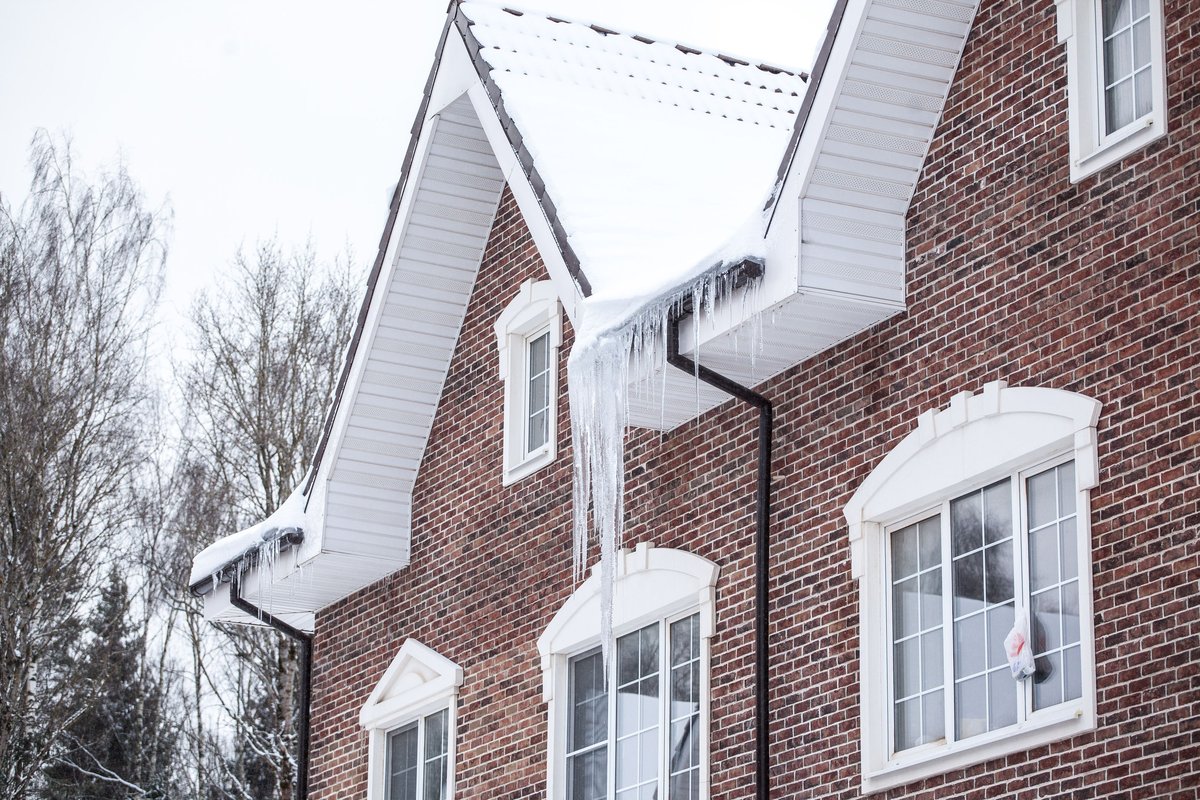
Best for: a bucket of calcium chloride tablets sold for ice dams, used only as the label directs, after you understand the runoff caution above.
Tractor Supply listed KMI Roofmelt Ice Dam Pucks at $24.99 on November 18, 2026, as a 14-pound, 60-tablet, ready-to-use container, effective to -20°F and made with calcium chloride. KMI’s official Roofmelt page, which did not show a price, describes standing on the ground, tossing a tablet onto the roof, and letting the tablet melt a drainage path through the dam.
Pros: official method is ground-based, which avoids a trip onto the roof if you can actually place the puck that way; large tablet count at a much lower listed price than the sleeve kit; calcium chloride working temperature is stated as -20°F on the retailer page.
Cons: calcium chloride is the deicer University of Maryland Extension lists as harmful to plants and damaging to concrete and metal in sidewalk and driveway use; roof-specific label warnings must come from the package, which we did not transcribe; this does not fix the attic heat loss that caused the dam.
Buyer sentiment: Rating not checked (“Be the first to review” on the Tractor Supply page).
Green Ice Melt Roof #3 sleeves, 6-pack — best chloride-free sleeve kit we priced
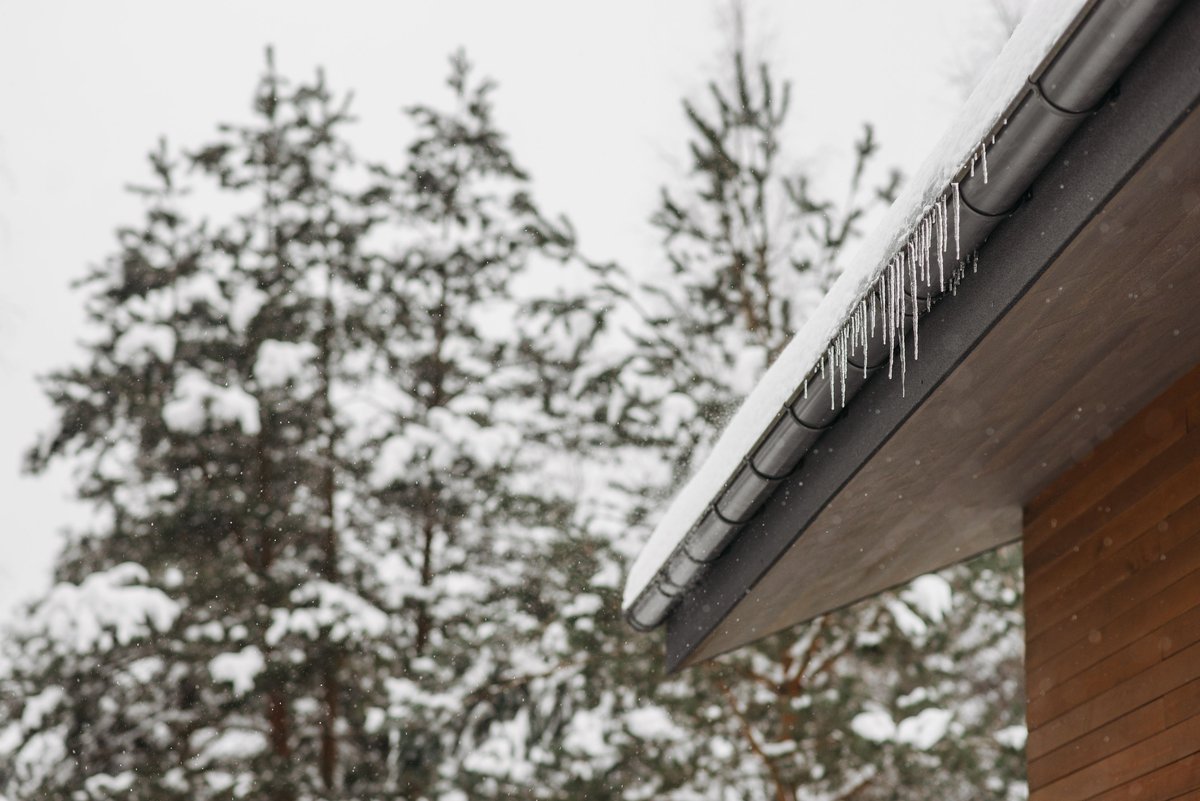
Best for: a fabric sleeve filled with CMA, if you want a chloride-free product and you treat the maker’s “will not harm vegetation / safe for the roofing system” lines as manufacturer claims.
The official Green Ice Melt page on November 18, 2026, listed the 6-pack at $115.95, in stock. It describes 24-by-2-inch, about 2-pound sleeves, with no salt or chlorides, using CMA, and says to place them where meltwater will run through the sleeve.
Pros: official in-stock listing; chloride-free CMA is a clearly stated difference from Roofmelt; the maker claims the product is non-corrosive and will not harm vegetation or the roofing system.
Cons: much higher listed price than the 60-puck bucket; we have not tested those safety claims; the official page still says to place the sleeves on the roof, which may require a ladder or a pro; rating was not shown.
Buyer sentiment: Rating not checked.
About this two-pick list
This page includes the two roof ice-melt products we could source, price, and describe honestly on November 18, 2026. We did not invent a third pick to fill out a longer list.
Related guides and a reminder
- •Gutter cleaning checklist
- •Winterize your home checklist
- •How to prevent frozen pipes
- •Best pipe insulation and heat tape (water pipes only, not roof cables)
- •Best outdoor faucet covers
- •New-homeowner maintenance checklist
- •Home maintenance tools we like
- •Home safety product reviews
- •UMN Extension, ice dams: https://extension.umn.edu/garden-and-home/home-maintenance/caring-for-a-home/dealing-with-and-preventing-ice-dams
- •UMD Extension, melting ice safely: https://www.extension.umd.edu/resource/melting-ice-safely
Get reminded at the right time for your climate zone
CareToady can remind you, before the first heavy snow, to clear gutters and to check attic air leaks that lead to ice dams.
- •Climate-zone push reminders for seasonal jobs like this one and the rest of your home's upkeep
- •Receipt scanning for the supplies and repairs you pay for. Snap a receipt, fix anything in seconds.
- •Cost and task history, so you can see what you did, when, and what it cost
Free to start (1 home, 7 tasks). Plans from $0.99/yr: Basic $0.99/yr · Standard $2.99/yr (3 homes) · Professional $9.99/yr (unlimited homes).
See CareToady features.
More guides: Winter-Ready Home Checklist · Smoke Alarm Checklist · CO Detector Placement · Best Carbon Monoxide Detectors · Furnace Filter Guide · Frozen Pipes · Find the Main Water Shutoff · Best Water Leak Sensors · Holiday Home Prep Checklist · How Often Home Maintenance Chart · Home Maintenance Calendar · Winterize Outdoor Faucets · Best Outdoor Faucet Covers · Best Frost-Free Outdoor Faucets · Best Pipe Insulation and Heat Tape · Furnace Maintenance Checklist · Chimney Cleaning Checklist · Home Fire Safety Checklist · Ceiling Fan Direction in Winter · Winterize a Sprinkler System · Gutter Cleaning Before Winter · Winterize a Vacant House · Winterize Your Home Checklist · Fall Home Maintenance Checklist · How to Seal a Drafty Door · Sump Pump Test · Home Maintenance Schedule Generator
Frequently asked questions
What is the best ice melt for roofs?
There is no single best ice melt for every roof. On November 18, 2026, we verified two products: KMI Roofmelt pucks at $24.99 on Tractor Supply, and Green Ice Melt Roof #3 sleeves at $115.95. We are not inventing a third pick.
Can ice-melt chemicals harm plants or roofs?
University of Maryland Extension (January 5, 2024) lists calcium chloride as a deicer that can harm plants and can damage concrete and metal, in guidance written for walks and driveways. Roofmelt pucks use calcium chloride, so follow the label. That UMD table is not roof-specific.
Green Ice Melt states that its CMA sleeves contain no chlorides and, in the maker’s words, will not harm vegetation and are safe for the roofing system. We have not tested those claims.
Did you test these products yourself?
No. This is a buyer's guide, not a hands-on test. We have not used these pucks or sleeves in our own homes. The prices are only what the linked pages showed on November 18, 2026, and those listed prices can change.
Are these affiliate links?
No. These are plain official or retailer links, with no affiliate tags. CareToady does not currently earn a commission when you buy, and we do not add tracking or referral codes to the URLs. Re-check the live page before you purchase, because prices change.
Should I go on the roof to place ice melt?
UMN Extension warns that being on a roof in winter risks injury and may damage the roof, and it points people to professionals. Follow the product’s placement instructions. If those instructions require roof access you are not equipped for, hire a pro.
Save this guide
Print this page to check off as you go
This is a buyer's guide, not a hands-on test or a substitute for the manufacturer's instructions. Ice-melt products are not a substitute for fixing heat loss in the attic. Stay off a snowy or icy roof unless you are trained to be there. Prices and stock change; re-check the linked source before you buy. CareToady does not currently earn a commission when you buy.